Climate change is no longer just an environmental issue. It’s increasingly becoming a workplace health and safety challenge that organisations across the world and all sectors need to address.
From rising temperatures and heat stress to flooding, air quality concerns and business disruption, climate-related risks are affecting how organisations protect their people, manage operations and plan for the future.
During our recent webinar with IOSH, Climate Change and its Impact on Health & Safety, attendees submitted more than 70 questions – providing valuable insight into the issues currently occupying the minds of health and safety professionals, employers and dutyholders.
While the discussion covered a broad range of topics, several clear themes emerged.
How is climate change affecting workplace health and safety?
Climate change is creating both new and increased risks for organisations, including:
-
- Heat stress and thermal discomfort
-
- More frequent extreme weather events
-
- Flooding and disruption to operations
-
- Air pollution, dust and wildfire smoke exposure
-
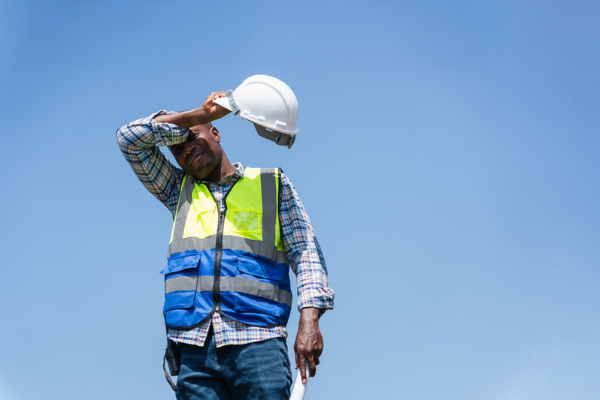
- Increased risks for outdoor workers
-
- Challenges associated with ageing buildings and infrastructure
-
- Greater expectations around resilience planning and risk management
The webinar questions demonstrated that organisations have largely moved beyond asking whether climate change affects health and safety. Instead, they are now focused on understanding what practical steps they need to take to protect workers and prepare for future expectations.
Will the UK introduce a maximum workplace temperature?
The most common theme raised by attendees was workplace temperature regulation.
Questions covered:
-
- Whether the UK is likely to introduce a maximum workplace temperature
-
- Whether any future limits would apply indoors, outdoors or both
-
- The practicalities of temperature limits in warehouses, factories and construction environments
-
- Implications for employers and dutyholders
-
- The role of HSE guidance and consultations
This reflects a growing awareness that hotter summers and more frequent heatwaves are creating new workplace challenges.
Many attendees recognised that a fixed temperature limit may be relatively straightforward in office environments but significantly more difficult to apply in workplaces such as construction sites, transport operations, utility infrastructure, schools, manufacturing facilities and warehouses.
The strong interest in this topic shows that organisations are actively monitoring potential regulatory developments and considering what future compliance requirements could mean for their operations.
How can employers protect workers from heat stress?
Alongside questions about regulation, attendees were keen to understand what organisations can do today to reduce heat-related risks.
Common areas of interest included:
-
- Hydration strategies
-
- Additional rest breaks
-
- Workplace cooling measures
-
- Ventilation improvements
-
- Building thermal comfort
-
- Worker health monitoring
-
- Flexible working arrangements
-
- Vehicle air conditioning
-
- Air filtration technologies
Heat stress is increasingly being viewed as a workplace risk that requires proactive management rather than reactive intervention.
Many organisations are already reviewing how working practices may need to evolve during periods of extreme heat, particularly where workers are exposed for prolonged periods or have limited access to cooled environments.
Practical controls such as altered shift patterns, improved access to drinking water, shaded rest areas and increased worker awareness are becoming increasingly important considerations.
Which workers are most at risk from climate change?
Several questions focused on workers who face particularly challenging operating conditions.
Industries represented included:
-
- Construction
-
- Utilities
-
- Waste and recycling
-
- Transport
-
- Emergency services
-
- Renewables
-
- Hazardous materials management
-
- Education
A recurring concern was how organisations can protect workers when exposure to heat cannot easily be avoided.
Examples included:
-
- Construction workers operating outdoors
-
- Ambulance crews working in vehicles and public spaces
-
- Waste and recycling operatives
-
- Utility workers maintaining critical infrastructure
-
- Asbestos removal teams required to wear PPE and RPE
For many organisations, the challenge is balancing operational demands with the need to protect workers from increasingly frequent periods of extreme heat.
How should organisations adapt buildings and infrastructure?
While temperature-related risks dominated the discussion, many attendees were thinking more strategically about climate resilience.
Questions covered:
-
- Older buildings and ageing estates
-
- Solar shading and passive cooling
-
- Flood resilience
-
- Extreme rainfall events
-
- Dust suppression challenges
-
- Long-term infrastructure planning
-
- Landlord responsibilities
This reflects a broader shift in thinking from short-term response measures towards long-term adaptation.
As climate-related events become more frequent, organisations are increasingly considering how workplace design, facilities management and business continuity plans can improve resilience and reduce disruption.
For many health and safety professionals, this requires closer collaboration with facilities, estates, procurement and leadership teams to ensure climate-related risks are considered across organisational planning processes.
What are an employer’s legal responsibilities for climate-related risks?
Many attendees sought clarification on legal duties and potential future liabilities.
Questions included:
-
- Employer obligations
-
- Dutyholder responsibilities
-
- Landlord accountability
-
- HSE expectations
-
- Compensation claims
-
- Enforcement activity
-
- Future consultations and guidance
As climate-related risks become more prominent, organisations want greater clarity around what constitutes reasonable and proportionate risk management.
There is growing recognition that climate hazards should be assessed and managed in the same way as other workplace risks, particularly where there is foreseeable potential for harm to workers.
What do the climate change updates to ISO standards mean?
Several attendees were interested in the implications of recent climate-related updates to ISO management system standards.
Questions referenced:
-
- ISO 45001
-
- ISO 14001
-
- ISO 9001
The key area of interest was how climate-related risks should be incorporated into existing management systems and organisational risk management processes.
For many organisations, climate change is moving from being a sustainability issue to becoming an operational, strategic and health and safety consideration that influences decision-making across multiple business functions.
Are we focusing too much on heat?
While heat stress dominated the discussion, attendees recognised that climate change presents a much broader range of workplace risks.
Questions were raised about:
-
- Flash flooding
-
- Air quality and haze events
-
- Wildfires
-
- Dust exposure
-
- Water shortages
-
- Severe weather warnings
-
- Winter working conditions
-
- Glacier-related events and international impacts
This suggests organisations are increasingly looking at climate change through a holistic risk management lens rather than focusing solely on temperature.
Future planning will need to consider a range of climate-related threats that may affect worker safety, operational resilience and business continuity.
Frequently Asked Questions about climate change and workplace safety
Is there a maximum workplace temperature in the UK?
Currently, there is no legally defined maximum workplace temperature in UK legislation. However, employers have a duty to assess and control risks arising from excessive heat and ensure workers’ health, safety and welfare.
Will a maximum workplace temperature be introduced?
This remains a subject of ongoing discussion within the health and safety profession. Interest from employers, trade unions and professional bodies continues to grow as hotter weather becomes more common.
How can employers reduce heat stress?
Potential controls include:
-
- Providing shade and cooling areas
-
- Increasing access to drinking water
-
- Improving ventilation
-
- Adjusting work schedules
-
- Increasing rest breaks
-
- Monitoring workers for signs of heat-related illness
-
- Reviewing PPE requirements where appropriate
Which workers may be most vulnerable?
Risk levels will vary depending on the work being undertaken, but higher-risk groups may include:
-
- Outdoor workers
-
- Construction workers
-
- Utilities workers
-
- Waste and recycling operatives
-
- Transport workers
-
- Emergency responders
-
- Workers required to wear extensive PPE
What can organisations do now?
The questions raised during the webinar reveal a clear shift in priorities.
Health and safety professionals have moved beyond seeking awareness of climate-related risks and want practical guidance on implementation, compliance and resilience.
Now is a good time for organisations to review:
-
- Climate-related workplace risk assessments
-
- Arrangements for outdoor and vulnerable workers
-
- Heat stress management procedures
-
- Emergency response and business continuity plans
-
- Building resilience and facilities management strategies
-
- ISO management system requirements and climate-related considerations
As climate-related risks continue to evolve, organisations that begin planning now will be better placed to protect their people, maintain operational resilience and respond to future regulatory expectations.
Missed the webinar? Watch the on-demand recording to hear IOSH’s Ruth Wilkinson discuss the practical health and safety implications of climate change, the controls organisations can implement today, and the developments shaping the future of workplace risk management.