Government of Canada | ArcelorMittal Exploitation Minière Canada s.e.n.c. (AMEM) has been sentenced by the Court of Québec to pay a fine of $100 million, after pleading guilty to 100 counts of violating the Fisheries Act.
AMEM was sentenced to pay $1 million per count. The total fine is the highest ever imposed in Canada under the Fisheries Act.
The conviction relates to various deposits of deleterious substances that took place between May 2014 and May 2022. The amount of $99,999,900 will be directed to the Government of Canada’s Environmental Damages Fund and will support projects that have a positive impact on Canada’s natural environments.
In addition to the fine, the Court ordered AMEM to reimburse the cost of the investigation, an amount of nearly $250,000. The Court also ordered AMEM to produce a detailed action plan specifying, among other things, effluent management measures for the Mont-Wright and Fire Lake mining complexes, as well as measures connected to mine drainage at the Mont-Wright complex. The company must submit this plan to Environment and Climate Change Canada enforcement officers by mid-February 2027.
The charges stem from several investigations launched by Environment and Climate Change Canada enforcement officers. These charges relate to the deposits of deleterious substances by the Mont-Wright mining complex and the Fire Lake mine into several streams and lakes frequented by fish in the Fermont region of Quebec.
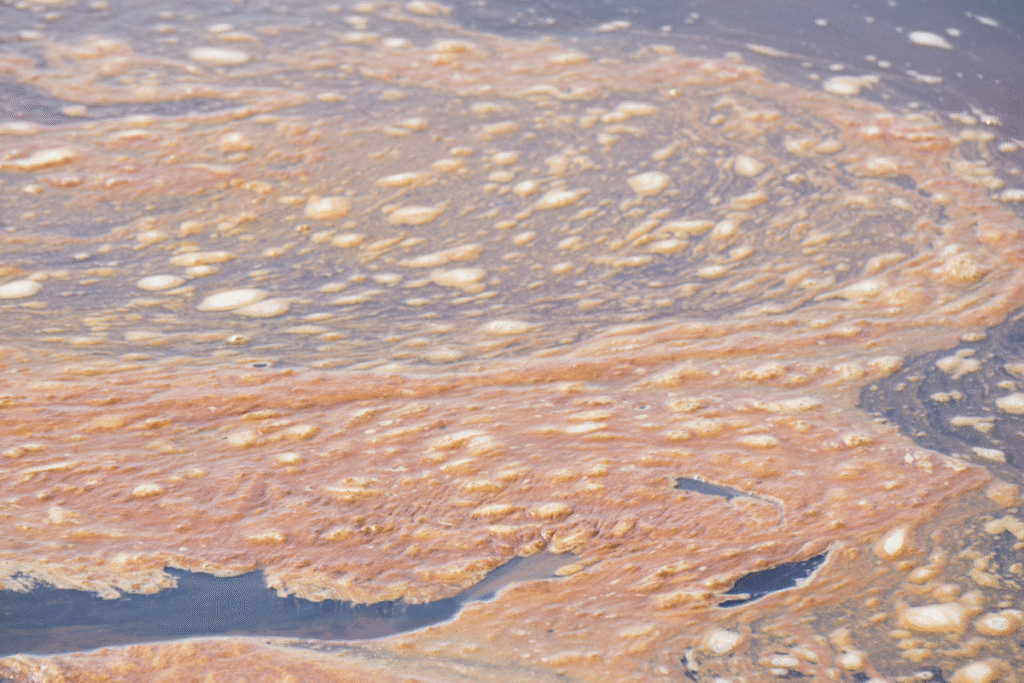
The investigations, which began in 2018, revealed that AMEM illegally deposited or permitted the deposit of deleterious substances into water frequented by fish or in any place where there was a risk of these substances entering such water, in violation of subsection 36(3) of the Fisheries Act. The incidents took place between May 2014 and May 2022. The substances involved are:
- Low-pH effluents (acidic).
- Effluents containing elevated concentrations of zinc, nickel, or suspended solids.
- Effluents that are toxic to fish.
According to the investigations, these unauthorised deposits were related to several factors associated with the planning of activities, the effectiveness of mitigation measures, and the lack of robust effluent treatment systems, which led to discharges in several areas of the Mont-Wright and Fire Lake sites.
The waters in which there were deposits or the risk of deposits are the Petite rivière Manicouagan and Lac Irène, and tributaries of Lac Saint-Ange. The Lac Saint-Ange sub-watershed is a significant tributary of the rivière Moisie, which is a proposed province aquatic reserve.